Runtime Guardrail Architecture to Protect Production LLMs from Prompt Manipulation
How to build a layered runtime guardrail layer that screens LLM inputs and outputs, isolates untrusted context and keeps latency low in production.
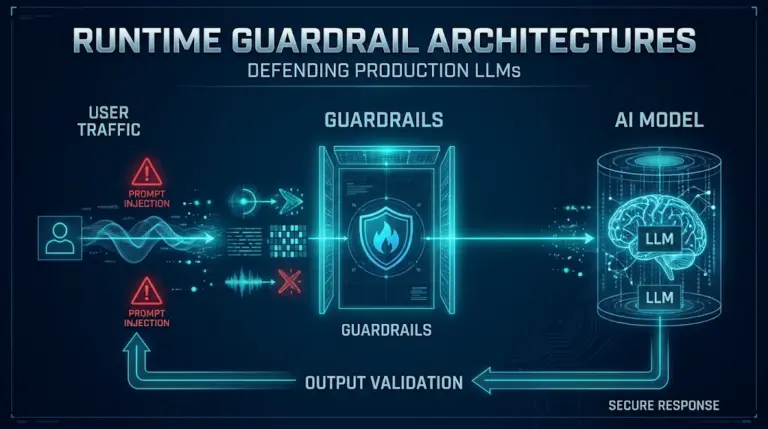
How to build a layered runtime guardrail layer that screens LLM inputs and outputs, isolates untrusted context and keeps latency low in production.
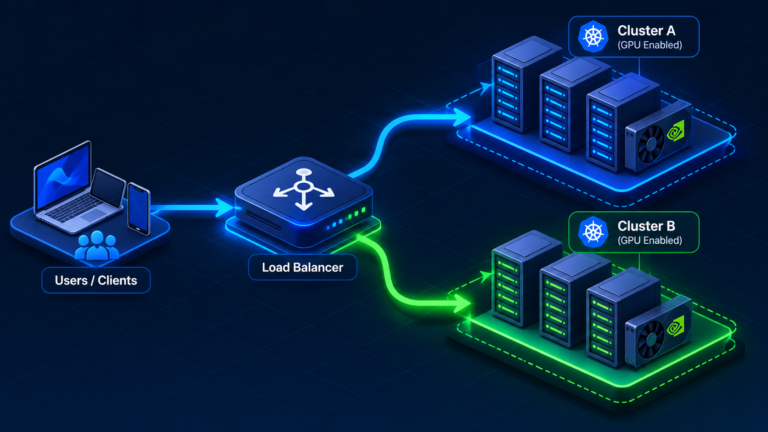
How blue-green deployment lets ML teams swap production models without downtime, from shadow testing and cutover to rollback and schema changes.

Why huge LLM context windows raise cost, latency and recall problems, and how truncation, summarization, compression and re-ranking keep prompts lean.

Why multi-agent research pipelines need strict data contracts, and how JSON Schema, Pydantic and self-healing retry loops make agent handoffs reliable.

How to detect and redact PII in flight with masking, tokenization and format-preserving encryption inside a streaming ingestion pipeline.
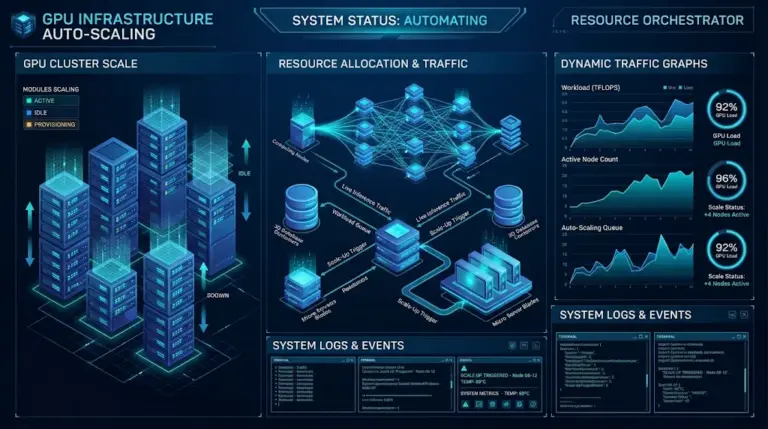
How to scale GPU inference with demand using DCGM metrics, KEDA, queues, cold start reduction, predictive scaling and spot instances while keeping costs down.
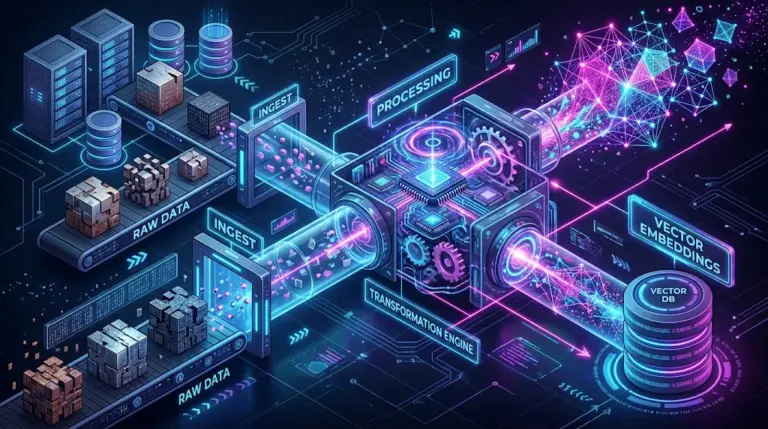
How to keep RAG embeddings fresh with an incremental ETL pipeline built on change data capture, Kafka, deterministic chunking and idempotent vector upserts.

How hybrid search pairs dense vector retrieval with BM25 keyword matching, and how rank fusion merges both result lists for accurate RAG pipelines.

A blueprint for persisting agent workflow state with tiered storage, deterministic reducers, idempotency keys and safe schema upcasting.
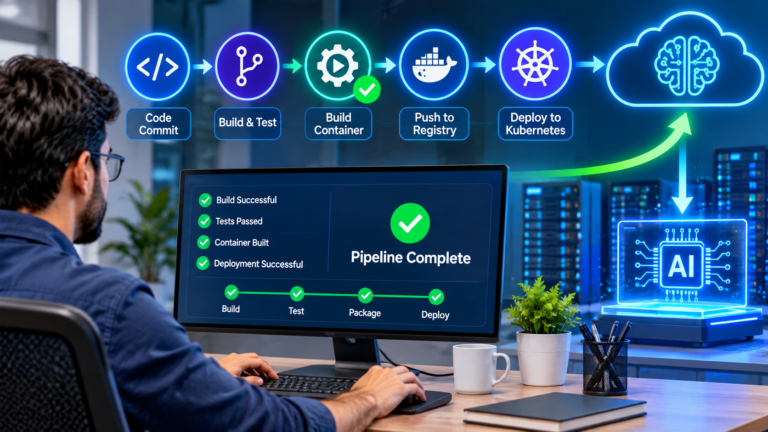
A practical look at MLOps pipelines for enterprise AI: data validation, automated quality gates, canary and shadow rollouts, drift monitoring and retraining.
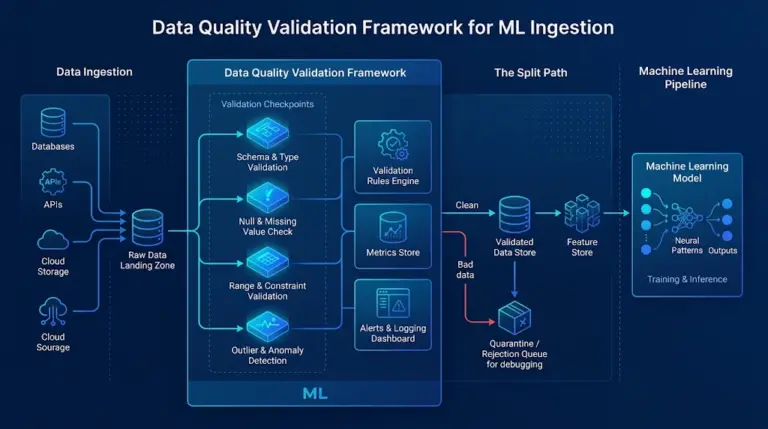
The core dimensions of ML data quality, a staged ingestion validation workflow, and how TFDV, Great Expectations, PyDeequ and Soda Core compare.
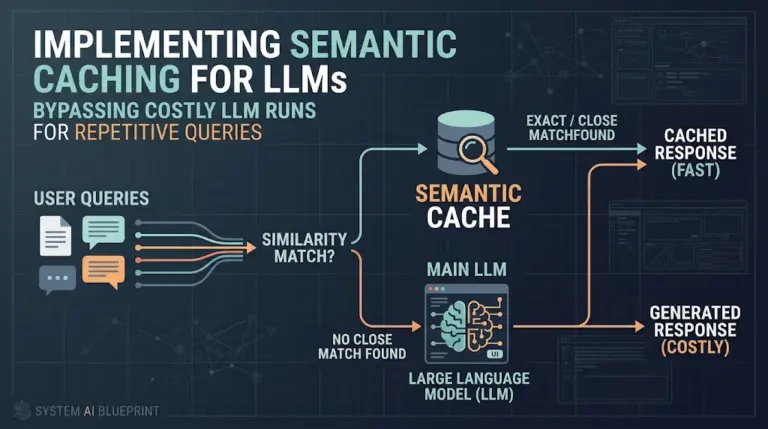
A practical look at semantic caching for LLM apps: embedding models, in-memory vector stores, similarity thresholds, eviction, multi-turn context and PII rules.